
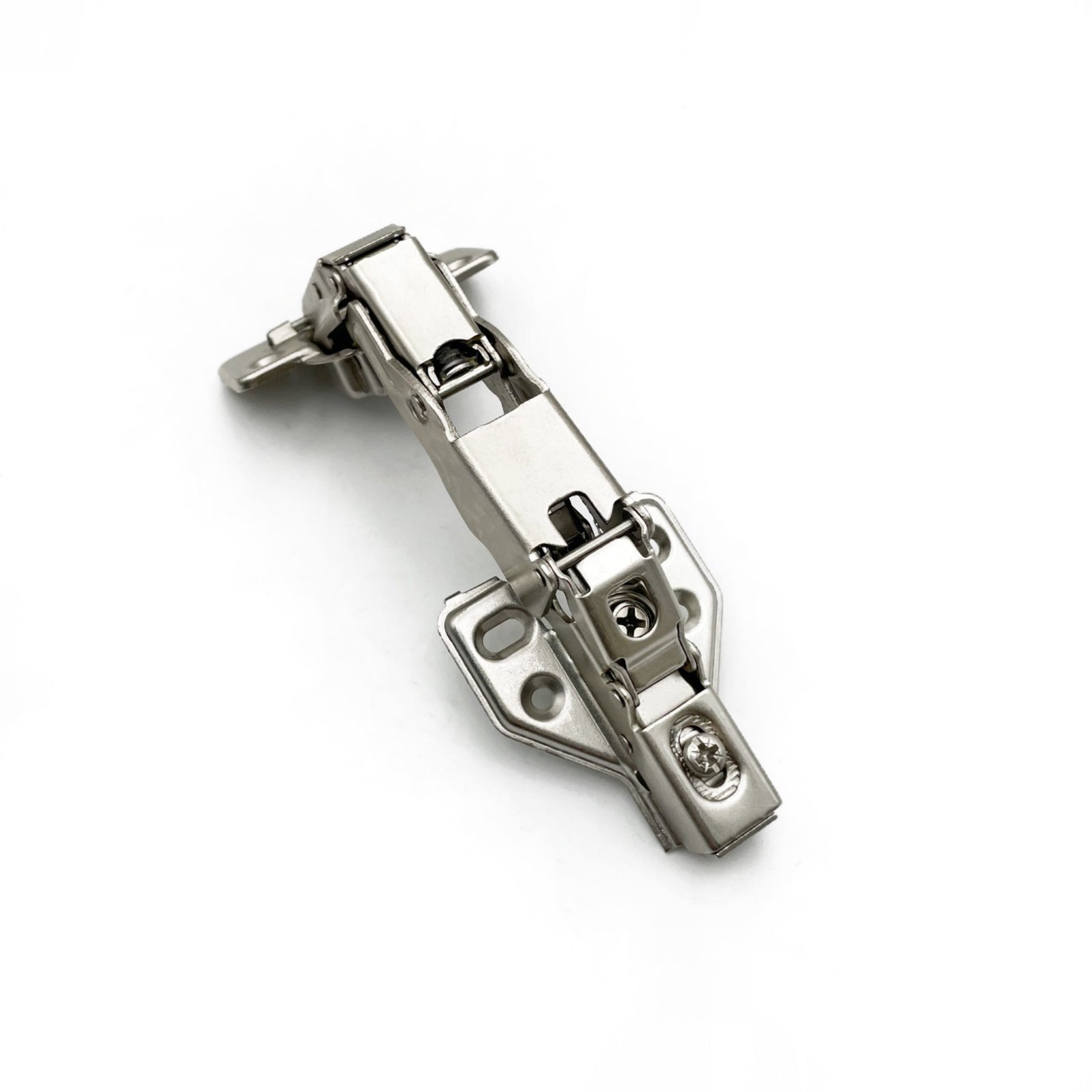
A sample hinge can look fine on the buyer’s desk and still fail on the cabinet line. With inset hinges for cabinet doors, the trouble usually appears after mounting: uneven reveal, door edge rubbing, weak soft-close on the real panel, or workers spending too long correcting each cabinet before packing. That is why inset hinge selection has to start with the cabinet, not the hinge photo.
Scenario Map: Start With the Cabinet Use Case
Inset doors leave very little room for hiding hardware mistakes. The door sits inside the cabinet opening, so the gap around the door becomes part of the product’s visible quality. A hinge that is acceptable for a basic office cabinet may be a poor fit for a kitchen line, a tall wardrobe, or a humid bathroom project.
Use the application first, then narrow the hinge specification.
| Cabinet or sales scenario | Main risk with inset doors | Hinge priority |
|---|---|---|
| Kitchen cabinets | Daily use, visible gaps, door slamming complaints | Stable adjustment, suitable soft-closing option, material and finish matched to the environment |
| Wardrobes | Taller doors and clean appearance expectations | Smooth movement, enough hinge support, practical adjustment range |
| Bathroom or humid-market cabinets | Early rust complaints and difficult project handover | Material and surface-treatment review, corrosion test reference when relevant |
| Office furniture | Repeat drilling and fast assembly | Standardized installation, clip-on convenience where suitable, clear SKU control |
| Project furniture | Many doors needing the same appearance | Consistent specification, mounted-cabinet approval, lifecycle reference for the selected model |
| Wholesale inventory | Customers using one SKU across too many cabinet types | Clear labeling by function, material tier, and application |
The expensive mistake is not always a broken hinge. Often it is a hinge that technically works but takes too much adjustment time, creates installer complaints, or causes a distributor to ship an overlay hinge into an inset-door job.
Understanding Inset Hinges: What They Are and How They Work
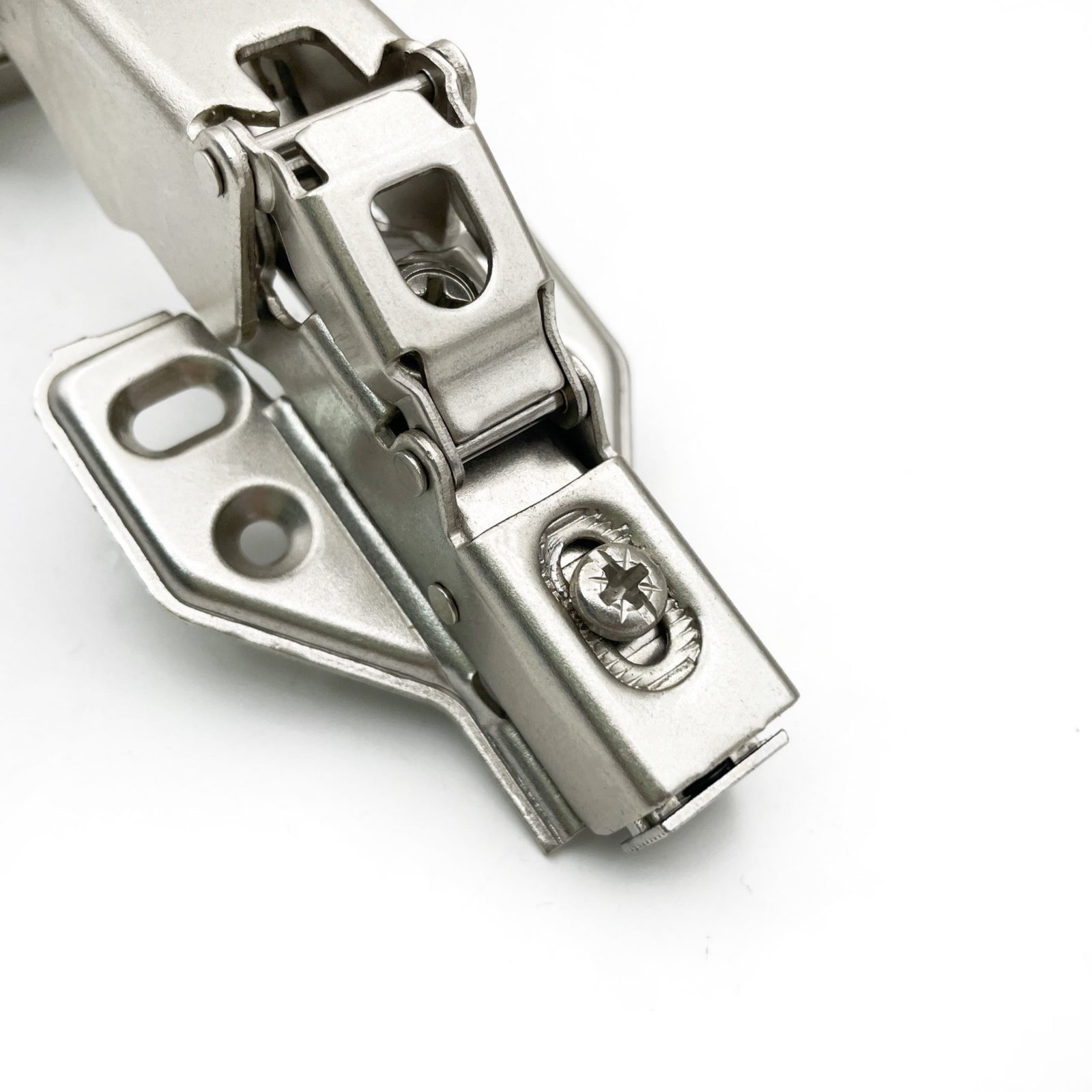
An inset cabinet door sits inside the frame or carcass opening instead of covering the front edges like an overlay door. That one construction difference changes the hardware decision. The hinge has to hold the door accurately inside the opening and still let it move without touching the frame.
For factories, poor inset hinge matching usually shows up as line rework. Workers correct the top reveal, then the side reveal changes. A tall wardrobe door looks fine standing still, then drops slightly after repeated opening. A soft-closing hinge feels smooth in hand, then closes weakly once fitted to a heavier door.
For wholesalers, the problem is SKU clarity. If a carton label or catalog page only says cabinet hinge, customers may treat it as suitable for both overlay and inset applications. Inset cabinet doors hinges need tighter product descriptions because the door position depends on hinge geometry, arm style, mounting plate, and drilling arrangement.
MINGYI (Furnihard)’s hinge range includes common cabinet-hinge options such as normal, two-way, soft-closing, clip-on, stainless steel, aluminium-framed, glass, 3D, and corner hinge types. That range gives buyers room to discuss the actual cabinet application, but it does not mean every hinge type is available in every size, finish, or use condition.
A plain rule works well: approve the hinge with the cabinet, not away from it.
Comparing Inset Hinges: Key Features and Specifications
Start with the cabinet drawing, door construction, and sales market. A catalog image can only take the discussion so far.
| Specification point | Why it matters for inset cabinet doors | Buyer-side acceptance signal |
|---|---|---|
| Door position and hinge geometry | Inset, overlay, and special-position doors need different hinge behavior | The supplier identifies the hinge as suitable for the intended inset door position, not just as a general cabinet hinge |
| Hinge arm or crank style | The arm geometry affects where the door sits in relation to the frame | The mounted door sits flush inside the opening without forcing the adjustment screws to their limit |
| Mounting plate compatibility | Plate height and cabinet construction affect reveal and depth position | Plate and hinge are quoted as a working set, not mixed from unclear SKUs |
| Cup drilling and hole pattern | Production drilling has to match the hinge body and door material | The drilling pattern is repeatable on the factory line and does not require hand correction cabinet by cabinet |
| Opening angle requirement | A door may need clearance for shelves, baskets, or adjacent cabinets | The door opens far enough for use without rubbing the frame or nearby panels |
| Door thickness and panel material | Screw holding, cup depth, and closing feel depend on the actual door | The sample uses the planned panel type, not a thin display board |
| Door size and weight | Heavy or tall doors increase sagging and screw stress | Hinge quantity and model suitability are judged from the real door, not from a small sample panel |
| Closing function | Soft-closing changes user feel and perceived cabinet grade | Soft-close is accepted only after it works on the mounted door weight |
| Adjustment range | Inset reveals expose small errors quickly | 3D adjustment is worth paying for when many visible doors must line up consistently |
| Material and surface treatment | Strength and corrosion needs differ by market | Cold-rolled steel may suit dry indoor furniture; stainless steel discussion becomes serious in humid use |
| Durability reference | Repeated opening creates complaint risk | MINGYI references 50,000-cycle opening-and-closing testing for hinge products tied to suitable models |
| Corrosion reference | Rust damages both retail reputation and project acceptance | A 48-hour salt spray baseline can guide discussion, but it is not a blanket result for every SKU |
MINGYI hinge material options include cold-rolled steel, SUS201 stainless steel, and SUS304 stainless steel depending on product type and application. Do not turn stainless steel into a cosmetic upsell. For a dry bedroom cabinet, finish quality and hinge structure may matter more than upgrading material. For bathroom cabinets, humid kitchens, or coastal-market projects, corrosion resistance becomes a buying requirement.
Soft-closing needs the same discipline. It can improve finished-cabinet feel and reduce door slamming, especially in kitchens and wardrobes. But the final closing action depends on door weight, panel stiffness, drilling accuracy, and cabinet construction. A loose hinge on a table is not the test. The cabinet is.
Installation and Adjustment Tips for Inset Hinges
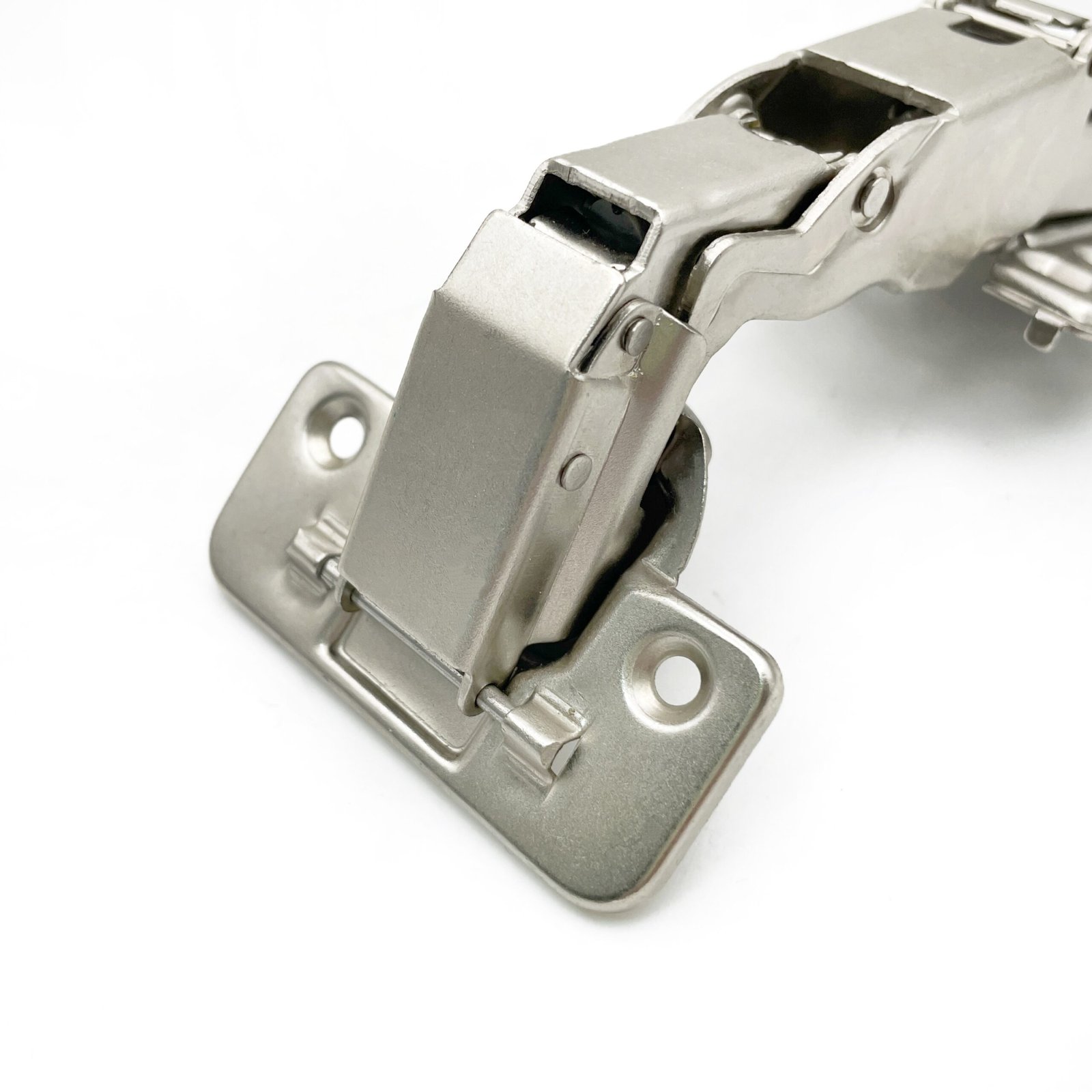
Inset hinge installation is less forgiving than overlay-door installation. The door is trapped visually inside the opening. A small drilling error, panel variation, or weak screw hold becomes visible immediately.
A better approval sample uses the planned door material, door thickness range, drilling method, screws, mounting plate, and cabinet structure. If the final program uses a tall door, a small test panel is not enough.
A common buyer-side failure scenario
A furniture factory approves an inset kitchen cabinet hinge from a loose sample because the soft-closing action feels smooth. Bulk production starts. Once the hinge is fitted to the real door, some doors sit slightly proud, a few rub the frame, and workers need repeated side and depth adjustment.
The hinge did not necessarily fail. The approval method failed.
The practical cost is labor, not just hardware. A hinge that saves a few cents but adds adjustment time to every door can become the more expensive option.
Installation points that decide acceptance
- The door keeps an even reveal after normal opening and closing.
- The door does not rub the frame at full opening.
- Soft-closing feels controlled on the actual door weight.
- Screws hold firmly in the selected panel material.
- Adjustment can be done quickly enough for production, not only by a skilled sample technician.
- The hinge, mounting plate, screws, and carton label match the approved SKU.
- Packaging and labels separate inset hinges from similar-looking overlay or special-purpose hinges.
For project work, mounted-cabinet approval is especially useful before a large repeat order. Site rework is painful. It also tends to involve many parties: installer, contractor, furniture supplier, distributor, and end customer.
How to Choose Inset Hinges Based on Your Industry Needs
Different buyers use the same keyword with different intentions. A wholesaler may want broad resale coverage. A cabinet factory may need a hinge that fits its drilling process. A project buyer may care less about product variety and more about the same reveal across hundreds of doors.
| Buyer type | What matters most | When a basic hinge may be enough | When a higher-spec hinge is justified |
|---|---|---|---|
| Kitchen cabinet manufacturer | Daily use, alignment, closing feel | Low-traffic utility kitchens or cost-sensitive lines | Visible retail kitchens, heavier doors, soft-closing requirement |
| Wardrobe producer | Larger doors and clean appearance | Small doors with simple opening needs | Tall doors, premium wardrobes, repeated adjustment complaints |
| Bathroom cabinet buyer | Humidity and corrosion risk | Dry indoor vanity lines with controlled environment | Humid markets, coastal apartments, bathroom project supply |
| Office furniture factory | Repeat production and assembly speed | Simple cabinets with standard drilling | High-volume lines where clip-on or easy adjustment saves labor |
| Project furniture buyer | Consistency and handover acceptance | Small projects with simple cabinet structures | Large projects where inconsistent gaps create site disputes |
| Hardware wholesaler | Clear SKU positioning | General dry-use cabinet programs | Multi-tier range with soft-close, stainless steel, or 3D options |
A useful buying split is simple: price-sensitive furniture can accept fewer features; visible or repeat-use furniture needs fewer surprises.
For 3D adjustment, the decision is rarely about one cabinet. It is about repetition. If installers only need to correct a few doors, a simpler hinge may be acceptable. If the order includes many visible inset doors, 3D adjustment can protect time and appearance.
For stainless steel, the decision is environment-driven. In dry indoor use, stainless steel may not be necessary. In bathroom, humid, or coastal use, material and surface treatment move to the front of the sourcing conversation.
For soft-close, do not over-specify by habit. A premium kitchen line may need it. A low-visibility utility cabinet may not. The better question is whether the feature reduces complaints or improves the product grade enough to justify the added cost.
For wholesalers, label discipline matters as much as hinge movement. Similar-looking hinges create warehouse mistakes. Clear product naming, carton marking, and application notes reduce the chance that a customer receives a hinge for the wrong door position.
Recent Innovations in Cabinet Hinge Technology
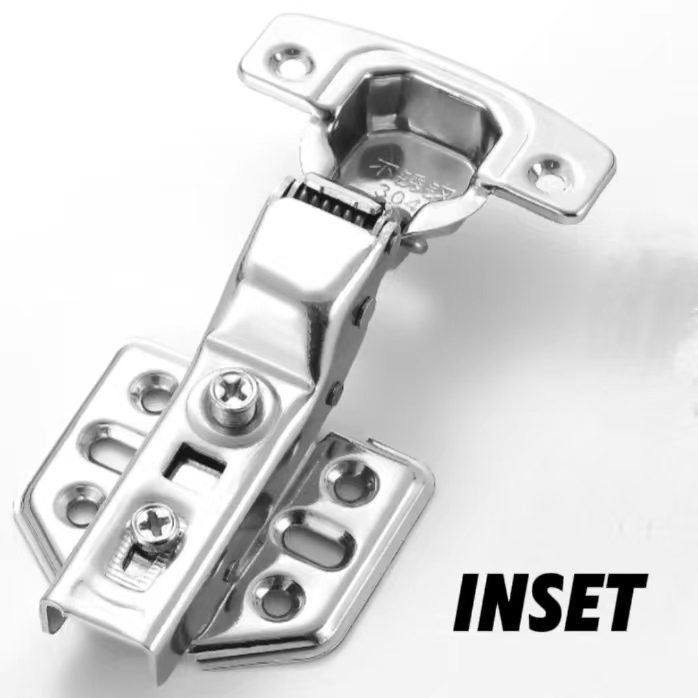
Not every new hinge feature changes sourcing results. For inset doors, the useful developments are the ones that reduce adjustment time, improve mounted-door performance, or make repeat orders more stable.
Soft-closing is valuable when it improves the finished cabinet, not when it only feels nice in a salesperson’s hand. For kitchens and wardrobes, controlled closing can raise perceived cabinet quality. For a low-cost cabinet hidden in a utility room, it may be unnecessary cost.
Clip-on design is similar. It matters when doors are removed during packing, installed on site, or adjusted after delivery. If the furniture is assembled once and rarely serviced, clip-on convenience may not pay back.
3D adjustment has stronger value for inset doors than for many overlay applications because the reveal is exposed on all sides. It is not a luxury feature when a factory is fighting inconsistent gaps across a visible product line.
Material and surface-treatment options also affect sourcing outcomes. MINGYI’s hinge knowledge base includes cold-rolled steel, SUS201 stainless steel, SUS304 stainless steel, and nickel plating as a surface-treatment option depending on product type. The useful improvement is not simply offering more material names. It is matching the material and finish to where the cabinet will actually be used.
Automated hinge assembly can support more consistent cabinet-hinge production when combined with QC checks. That does not mean every process is fully automated or that every installation will perform the same. But for repeat-order buyers, consistency between batches matters. A hinge that changes fit or closing feel from one order to the next creates catalog complaints and factory rework.
Ensuring Quality and Performance in Inset Hinges
For inset hinges, quality is not only surface finish. Look at the chain from specification to sample to mounted cabinet to repeat order. Weakness in any one part can turn into returns, rework, or project handover complaints.
Start with specification fit: cabinet structure, door position, material, finish, function, adjustment needs, and opening clearance. Then review the sample for movement, appearance, and assembly feel. After that, mount it on the real cabinet structure and actual door weight. Only then does order control matter: carton labels, product descriptions, QC reference, and repeat-order consistency.
The mounted-cabinet step is the one most often rushed. A hinge can pass sample review and still disappoint in the real cabinet.
For durability discussion, MINGYI references 50,000-cycle opening-and-closing testing for hinge products. This is a useful reference for repeated-use applications, but it belongs with the selected hinge model rather than every custom or special product.
For corrosion discussion, MINGYI references 48-hour salt spray testing as a baseline point for hinge corrosion conversations. That baseline helps compare standard hinge options. Bathroom cabinets, humid kitchens, and coastal-market projects may need a more specific material and surface-treatment review before approval. Do not assume every material or finish carries the same result.
Load suitability also belongs in the conversation. For suitable hinge applications, load testing may be part of product verification, but the exact model, door size, hinge quantity, and installation condition decide whether the hinge is a good match.
Where MINGYI Fits in the Selection Discussion
MINGYI’s hinge range covers normal, two-way, soft-closing, clip-on, stainless steel, aluminium-framed, glass, 3D, and corner hinge types. Typical hinge applications include kitchen cabinets, wardrobes, bathroom cabinets, office furniture, project furniture, and custom furniture.
For inset hinges for cabinet doors, the useful request is not simply a price for one hinge. Send the cabinet type, door drawing or photo, door size, door thickness, door position, reveal expectation, environment, closing function, and packaging needs. That gives the sourcing conversation enough detail to narrow the SKU range before samples or bulk quotation.
One hinge can be technically usable and still commercially wrong. The better hinge is the one that fits the cabinet, installs at workable speed, survives the expected use environment, and can be reordered without confusing the warehouse or production line.
FAQ
What are the best inset hinges for heavily used kitchen cabinets?
For heavily used kitchen cabinets, prioritize stable adjustment, suitable soft-closing performance, and material or surface treatment matched to the kitchen environment. Soft-close should be judged on the mounted cabinet door, not by moving a loose hinge by hand. For durability review, buyers can discuss whether the selected hinge model is supported by relevant lifecycle testing, such as MINGYI’s 50,000-cycle hinge testing reference for suitable hinge products.
How do inset hinges contribute to overall cabinet functionality?
Inset hinges control the door position inside the cabinet opening. They affect reveal consistency, opening clearance, closing feel, and the amount of adjustment needed during production or installation. A poor hinge match can lead to rubbing, uneven gaps, slow assembly, and service complaints even if the hinge body itself is not broken.
What should buyers look for in durable inset hinges?
Look at hinge geometry, mounting plate compatibility, adjustment range, material, surface treatment, screw holding, application fit, and product-level test references. Cold-rolled steel, SUS201 stainless steel, and SUS304 stainless steel may be considered depending on the product and environment. For humid or bathroom use, corrosion discussion should include applicable salt spray references, not just the material name.
CTA
Narrow the Inset Hinge SKU Before You Quote
Send the cabinet drawing or photo, cabinet type, door size, door thickness, estimated door weight, inset position, desired reveal, use environment, closing function, target quality tier, and packaging or label needs.
With those details, MINGYI can help narrow the catalog range across normal, soft-closing, clip-on, stainless steel, 3D, and other cabinet-hinge options before sample approval or bulk quotation. The aim is simple: fewer wrong SKUs, fewer mounted-door surprises, and a hinge shortlist that fits the cabinet you are actually building.